Home / Industries / Aquaculture

Aquaculture

Salsnes Filter systems help aquaculture operations maintain cleaner water, reduce solids loads, and stabilize downstream treatment. With compact designs, low operating demands, and consistent separation performance, our technology supports healthier fish, improved biosecurity, and more sustainable production across various aquaculture applications.

Applications:
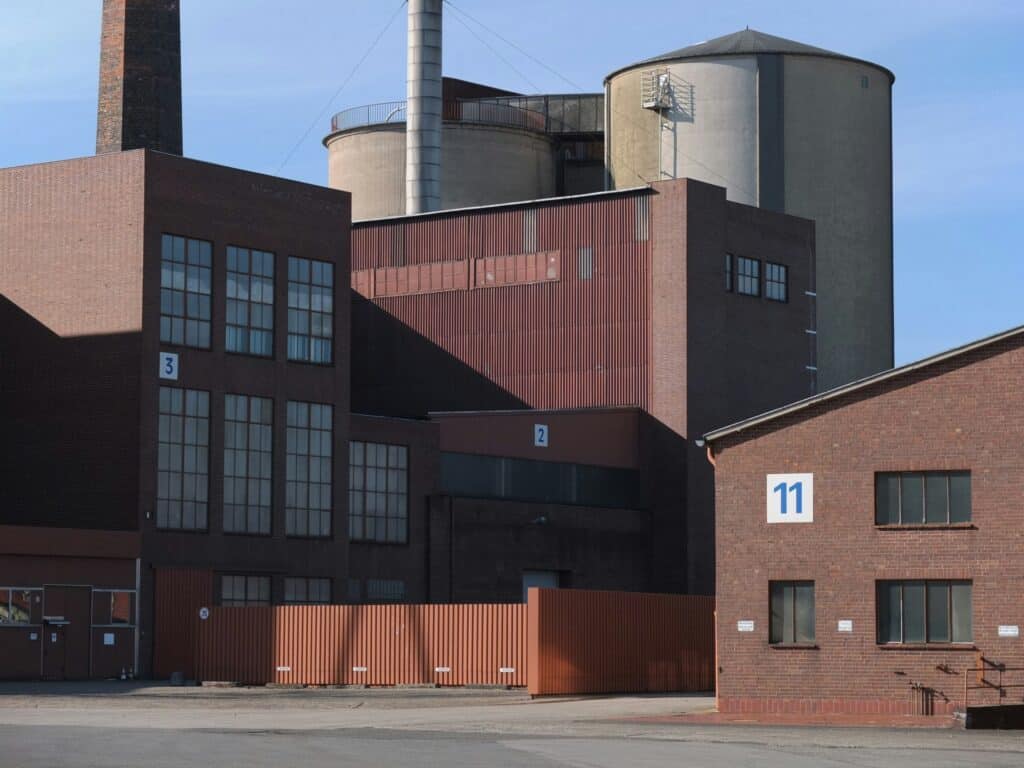
Modern industrial building with brick and metal siding, large factory silos, and numbered warehouse units under a clear blue sky.

Fish Hatcheries and Farms

At fish hatcheries and farms, solids can develop in the water from fish waste and uneaten food. In high amounts, these solids negatively impact the growth and survival rates of the fish because they demand oxygen and contaminate the water with ammonia. A Salsnes Filter system can effectively remove these solids (without crushing like a typical drum filter) to maintain a high water quality for the fish.
Flexible underwater algae image for seaweed filter system with abstract oceanic environment, illustrating marine plant filtration technology.

Sea lice

Sea lice are naturally occurring, minute parasites that attach themselves to the skins, fins and gills of fish. Infestation can occur anywhere; along coastlines, around fish farms, in vessels transporting live fish and at fish slaughterhouses. The most commonly used treatment methods only temporarily paralyze the sea lice, thereby allowing future infestations. A Salsnes Filter system separates the sea lice (and their eggs) from the water to be properly disposed of. The almost 100% reduction in sea lice improves water recirculation, resulting in higher fish survival rates, and contributing to lower operational costs.

Slaughterhouses

The composition and strength of wastewater from slaughterhouses creates many treatment and discharge challenges for these facilities. It has high volumes of hard-to-filter components such as blood, dirt, manure and fat, oil and grease (FOG). The Salsnes Filter system can separate these components because of the design of the filtermesh. First, fiber and grain from manure are collected on the filtermesh. These larger particles begin to collect smaller particles to create a “filter mat”. Separation performance is enhanced as particles continue to build-up on the filter mat, creating progressively smaller holes that retain increasingly smaller particles.

Light Environmental Footprint

Efficient filtration lowers energy use and sludge volume, reducing environmental impact.

Ease Demand on
Downward Processes

Removing solids reduces downstream loading, improving process stability and overall performance.

Efficiency That

Pays Off

Lower sludge volumes and reduced operational needs create long‑term savings across treatment budgets.

Greener Operation, Stronger Processes, Lower Costs

When we say our systems are environmentally friendly, we mean they’re engineered to deliver high‑capacity solids separation while using fewer resources, consuming less energy and reducing overall environmental impact. By minimizing loadings early in the process and avoiding the need for large, resource‑intensive infrastructure, they help facilities operate more sustainably from day one.

Because the units take up far less space, they can be integrated into existing plants with minimal disruption, an advantage for facilities facing tight layouts, aging infrastructure, or expansion limits. The reduced size also means lower construction requirements, from smaller buildings and basins to simplified civil works, which directly translates into lower capital costs and faster installation timelines.

This compactness doesn’t just save space, it creates greater design flexibility. Engineers can rethink plant layouts, optimize flow paths, or add new treatment stages without major structural changes. Whether upgrading an existing facility or designing a new one, the ability to place high‑performance solids separation almost anywhere gives planners far more freedom to build efficient, future‑ready treatment systems.

SF systems

A fully integrated solids-separation solution designed for high-efficiency primary-treatment.

SFK systems

A modular, flexible and customizable solids separation system.

SFKC systems

Combining the modular benefits of the SFK line in an enclosed configuration.