Pulp & Paper
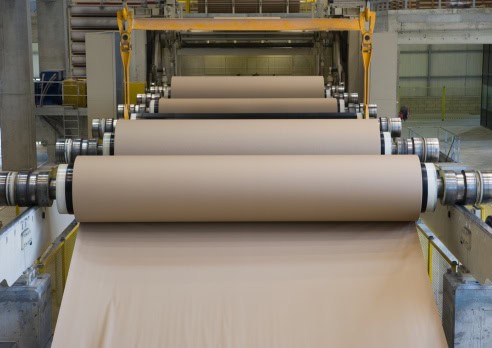
Water is used in nearly every step of the manufacturing process for a pulp and paper mill. So, of course these facilities have large volumes of wastewater to treat and sludge to dispose of. To save costs, many facilities would like to recover excess pulp fiber from their wastewater to be reused in the production line.
For those facilities not recovering fibers, our integrated thickening and dewatering processes are effective with fibrous material and can reduce the volume of sludge and associated disposal costs.
Material Recycling
Recycling of materials like plastic and glass, requires wash water for cleaning of the materials, before they can be reused. The wash water from such processes contains food residuals, paper from labels, sand etc. The Salsnes Filter system is very suitable for capturing the particulate matter in the wash water, allowing the wash water to be reused, or cleaned before discharged.
In plastic and rubber production plants, particles of raw material can end up in the porcess water. Such particles can be captured by Salsnes Filter systems and returned to the production process.
Food Processing
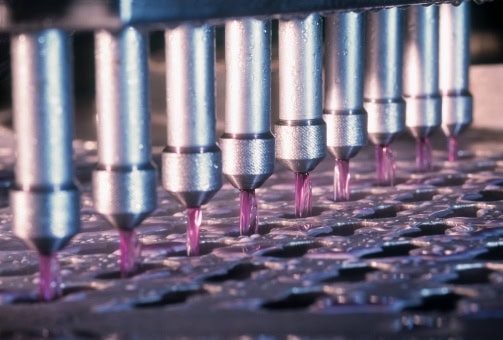
Wastewater from food processing facilities has characteristics that differ significantly from other industrial wastewater streams. Fruit and vegetable processing generates nontoxic and biodegradable wastewater, but with very high concentrations of BOD and TSS. Meat, poultry and fish processing wastewater contains high levels of fats, oils and grease. Many facilities also require large volumes of high-quality water.
The Salsnes Filter system removes more than 50 percent TSS and more than 20 percent BOD. By capturing high solids loads during primary treatment, facilities can reduce downstream costs. Fewer chemicals are needed for sludge conditioning; less power is required for blowers in secondary treatment and there is less final sludge to dewater.
Whether for a new plant or a retrofit, the Salsnes Filter system fits easily thanks to its small footprint and flexible configuration options. Both water and filtered material can be recovered, or the integrated thickening and dewatering processes can reduce sludge volume for disposal.
Breweries and Wineries
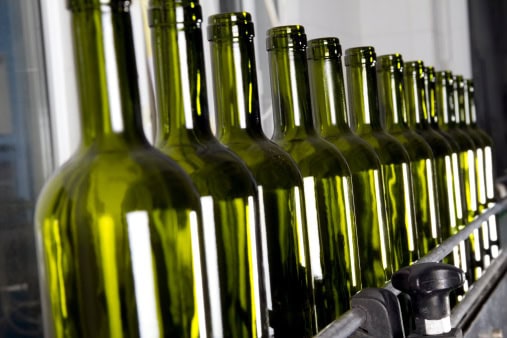
The organic composition of brewery and winery wastewater is dominated by dissolved compounds that create high biochemical and chemical oxygen demand. However, these streams also contain solids such as spent grains, spent yeast, fine colloidal particles and filtration aids like diatomaceous earth, which complicate treatment.
Easy settling solids such as diatomaceous earth often accumulate at the bottom of anaerobic reactors, blocking diffusers and reducing system performance. By removing more than 50 percent TSS before the anaerobic stage, the Salsnes Filter system prevents these issues and reduces the need for additional filters or separators.
Light Environmental Footprint
Efficient filtration lowers energy use and sludge volume, reducing environmental impact.
Ease Demand on
Downward Processes
Removing solids reduces downstream loading, improving process stability and overall performance.
Efficiency That
Pays Off
Lower sludge volumes and reduced operational needs create long‑term savings across treatment budgets.
Greener Operation, Stronger Processes, Lower Costs
When we say our systems are environmentally friendly, we mean they’re engineered to deliver high‑capacity solids separation while using fewer resources, consuming less energy and reducing overall environmental impact. By minimizing loadings early in the process and avoiding the need for large, resource‑intensive infrastructure, they help facilities operate more sustainably from day one.
Because the units take up far less space, they can be integrated into existing plants with minimal disruption, an advantage for facilities facing tight layouts, aging infrastructure, or expansion limits. The reduced size also means lower construction requirements, from smaller buildings and basins to simplified civil works, which directly translates into lower capital costs and faster installation timelines.
This compactness doesn’t just save space, it creates greater design flexibility. Engineers can rethink plant layouts, optimize flow paths, or add new treatment stages without major structural changes. Whether upgrading an existing facility or designing a new one, the ability to place high‑performance solids separation almost anywhere gives planners far more freedom to build efficient, future‑ready treatment systems.
SF systems
A fully integrated solids-separation solution designed for high-efficiency primary-treatment.
SFK systems
A modular, flexible and customizable solids separation system.
SFKC systems
Combining the modular benefits of the SFK line in an enclosed configuration.