Primary Wastewater Treatment
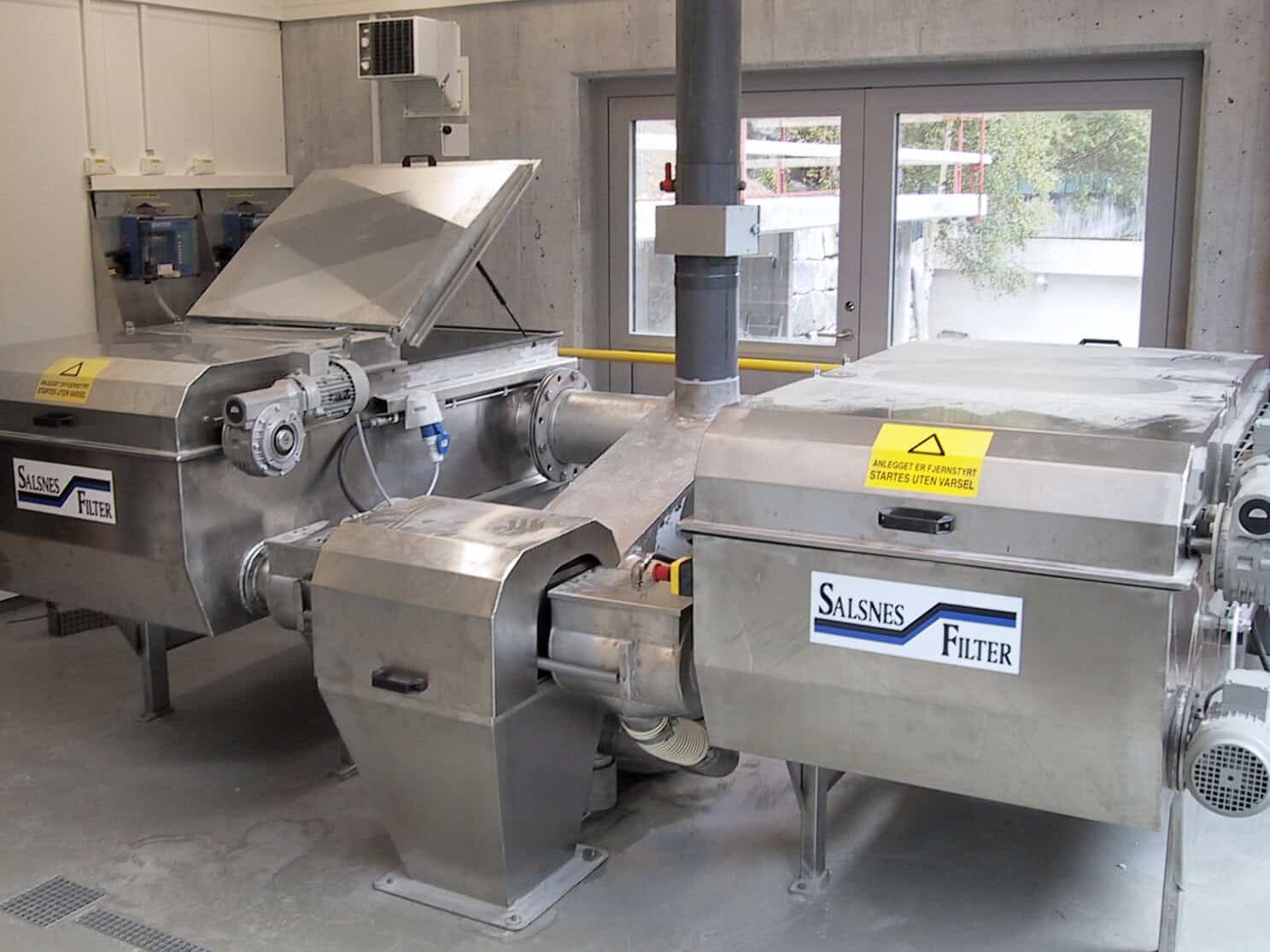
The Salsnes Filter system is the only system needed for primary municipal wastewater treatment, as it can completely replace conventional primary treatment such as sedimentation tanks or clarifiers. Using a rotating filtermesh, the system can remove more than 50 percent TSS and more than 20 percent BOD from raw wastewater.
A Salsnes Filter system requires only one tenth of the land and between 30 and 60 percent of the investment cost of conventional systems. In addition, sludge thickening and dewatering are integrated into this very compact and cost effective solution.
Enhancing Existing Primary Wastewater Systems
With a growing population, many wastewater treatment facilities need to increase capacity but have limited or no space for additional equipment. A Salsnes Filter system is designed for situations like this, using less than 10 percent of the land required for sedimentation tanks and clarifiers. By augmenting existing primary systems with a Salsnes Filter system, treatment plants can increase capacity using the land they already have.
There is also the option to convert a sedimentation tank or clarifier into secondary treatment while installing a Salsnes Filter system as the primary treatment step. This can increase capacity by up to 50 percent.
Primary Wastewater Treatment for Biological Systems
A Salsnes Filter system can remove more than 20 percent BOD from raw wastewater to reduce loadings and increase the capacity of downstream processes such as:
- Oxidation ditches
- Sequencing batch reactors
- Biological aerated filters
- Dissolved air flotation
- Moving bed bio reactors
- Membrane bio reactors
Combined Sewer Overflow and Stormwater Treatment
There is growing awareness of the environmental impacts of releasing untreated stormwater and combined sewer overflow into natural waterways. This has prompted regulatory agencies to mandate upgrades for many municipalities.
The Salsnes Filter system is well suited for CSO and stormwater treatment because, unlike many other technologies, it provides consistent solids removal across a wide range of flows.
Case studies
Recovering Lost Treatment Capacity
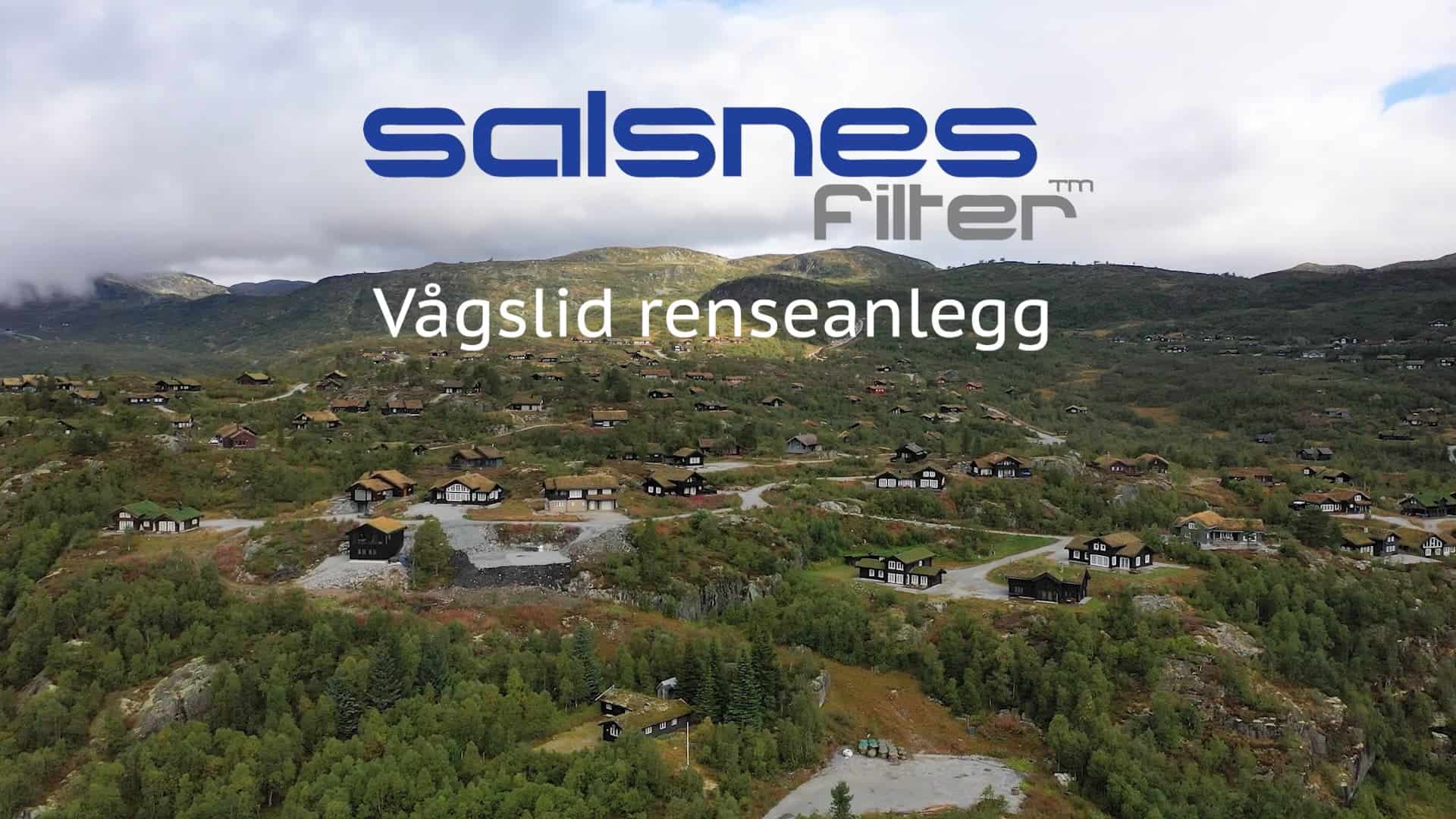
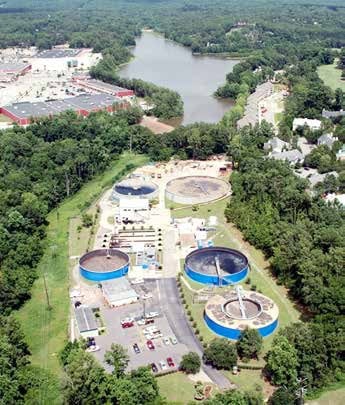
Faced with rising loads, aging infrastructure and limited space, Daphne Utilities rethought primary treatment to boost capacity, stabilize downstream processes and reduce operational strain—all within their existing footprint.
Optimizing Biogas Production with Primary Sludge
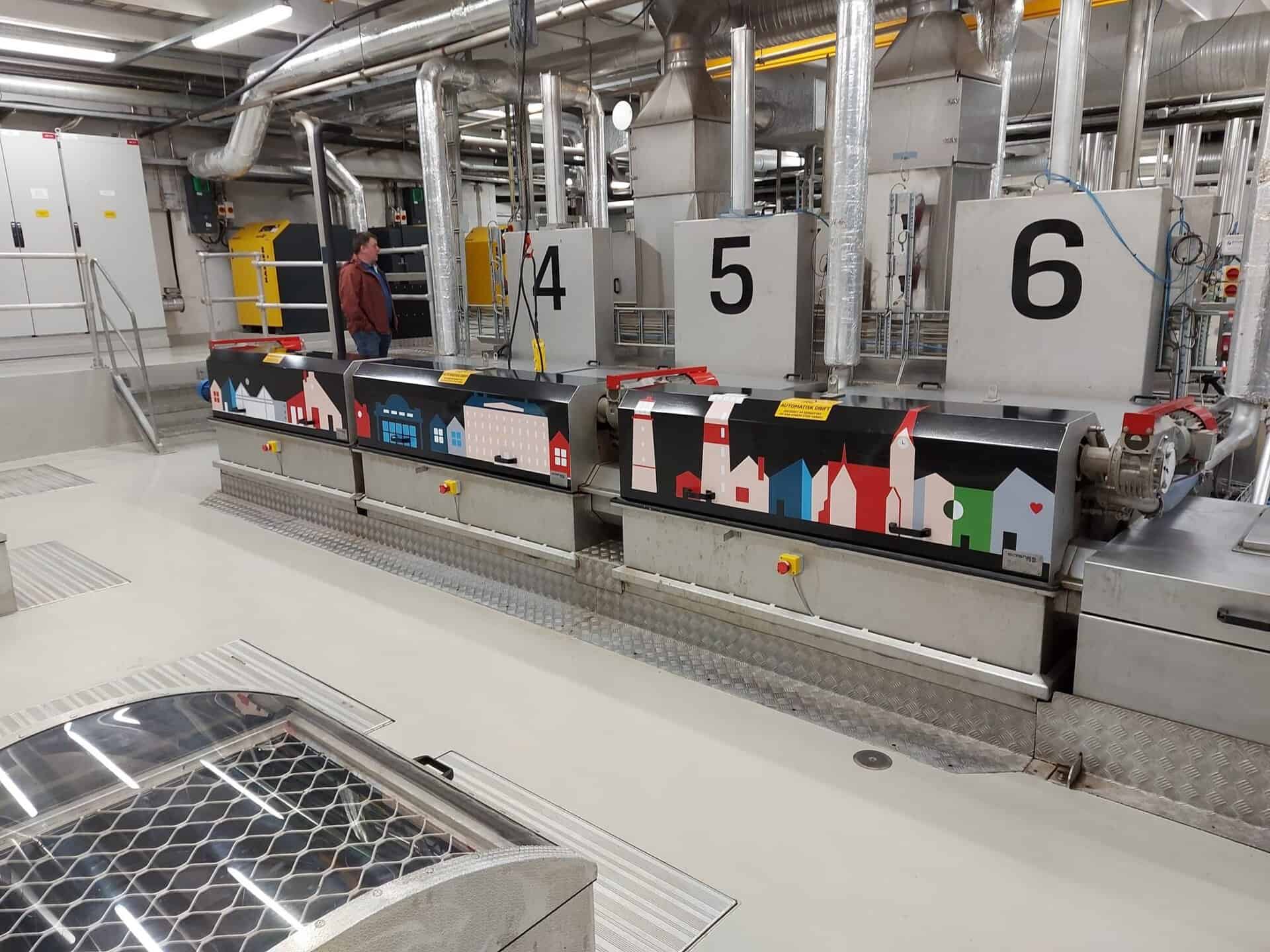
To expand capacity and boost renewable energy output, the Saulekilen WWTP reimagined primary treatment, using advanced solids separation to increase biogas production while staying within their existing footprint.
Recovering Resources from Wastewater at Italy’s SMART-Plant
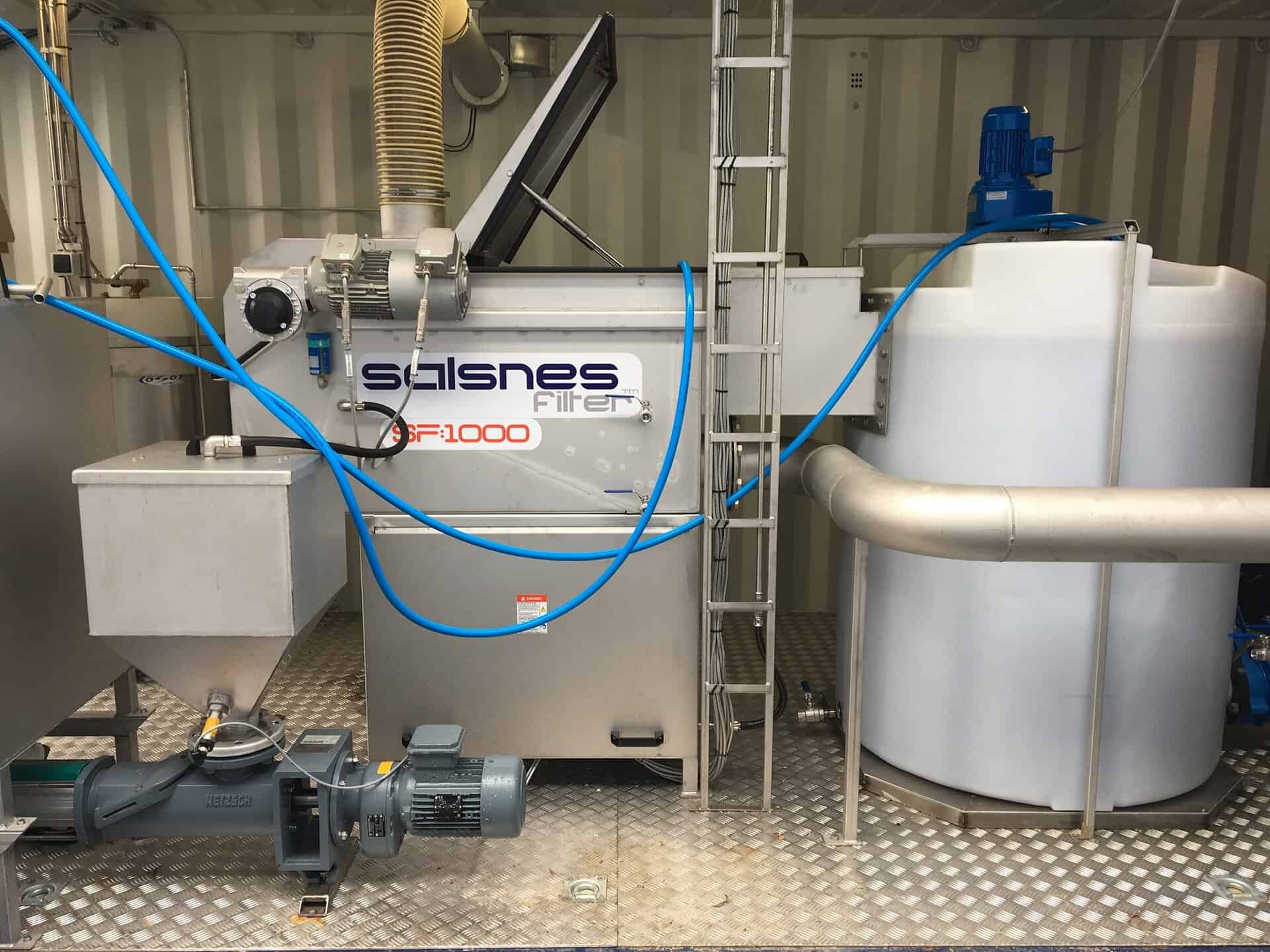
At the Carbonera Water Resource Recovery Facility, advanced primary treatment increased solids capture, improved downstream efficiency and opened new opportunities for energy and nutrient recovery.
Handling Variations in Incoming Flow
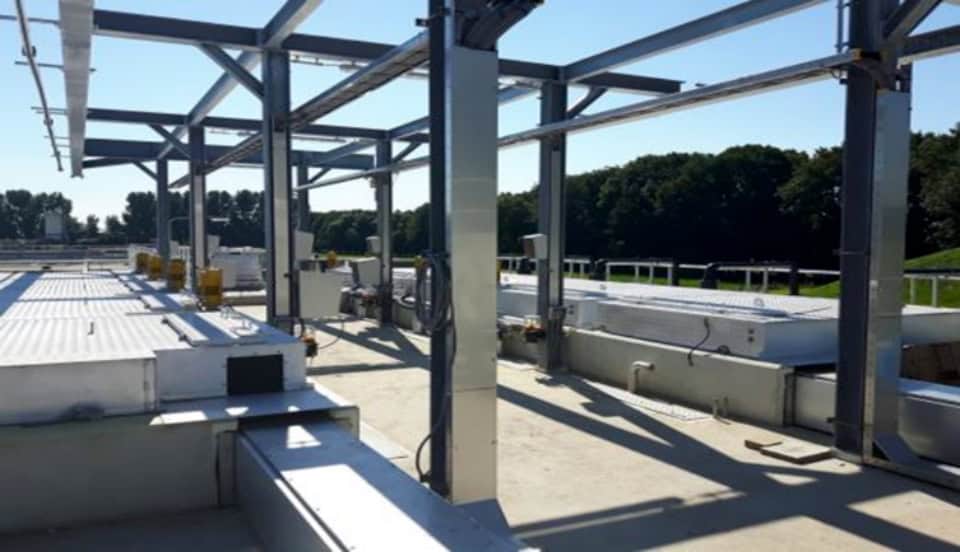
In the heart of a UNESCO World Heritage fjord, the Geiranger WWTP upgraded primary treatment to handle extreme seasonal loads and protect one of Norway’s most iconic natural environments.
Primary Treatment & Cellulose Recovery
By integrating advanced primary treatment, the Carbonera WRRF increased solids capture and recovered high‑value cellulose, improving plant performance while supporting a circular, resource‑driven approach to wastewater treatment.
Light Environmental Footprint
Efficient filtration lowers energy use and sludge volume, reducing environmental impact.
Ease Demand on
Downward Processes
Removing solids reduces downstream loading, improving process stability and overall performance.
Efficiency That
Pays Off
Lower sludge volumes and reduced operational needs create long‑term savings across treatment budgets.
Greener Operation, Stronger Processes, Lower Costs
When we say our systems are environmentally friendly, we mean they’re engineered to deliver high‑capacity solids separation while using fewer resources, consuming less energy and reducing overall environmental impact. By minimizing loadings early in the process and avoiding the need for large, resource‑intensive infrastructure, they help facilities operate more sustainably from day one.
Because the units take up far less space, they can be integrated into existing plants with minimal disruption, an advantage for facilities facing tight layouts, aging infrastructure, or expansion limits. The reduced size also means lower construction requirements, from smaller buildings and basins to simplified civil works, which directly translates into lower capital costs and faster installation timelines.
This compactness doesn’t just save space, it creates greater design flexibility. Engineers can rethink plant layouts, optimize flow paths, or add new treatment stages without major structural changes. Whether upgrading an existing facility or designing a new one, the ability to place high‑performance solids separation almost anywhere gives planners far more freedom to build efficient, future‑ready treatment systems.
SF systems
A fully integrated solids-separation solution designed for high-efficiency primary-treatment.
SFK systems
A modular, flexible and customizable solids separation system.
SFKC systems
Combining the modular benefits of the SFK line in an enclosed configuration.