Project Background
Wastewater treatment plants have traditionally been a costcenter for municipalities as treated effluent is often discharged back into the environment with little to no beneficial reuse. This is starting to change as wastewater professionals are finding innovative ways to produce a resource to use or sell. By doing this, operating costs can be cut and ideally plants can become profit-centers.
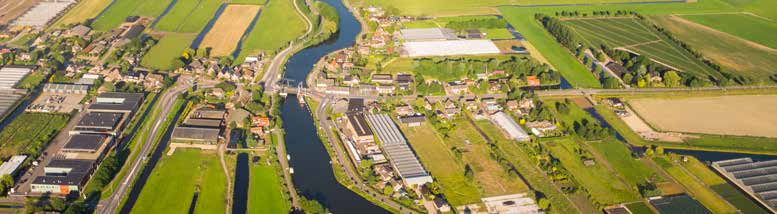
For the Netherlands, resource recovery is a main priority and the Beemster Wastewater Treatment Plant (WWTP), near Amsterdam, is an example of this. They decided to optimize their treatment plant by taking advantage of funding from the eco-innovation program through the European Commission.
The Challenge
With funding from the Eco-innovation program, the Beemster WWTP wanted to put into place equipment that would generate sludge with a high concentration of cellulose. Recovered cellulose would be reused for the production of other products.
The Solution
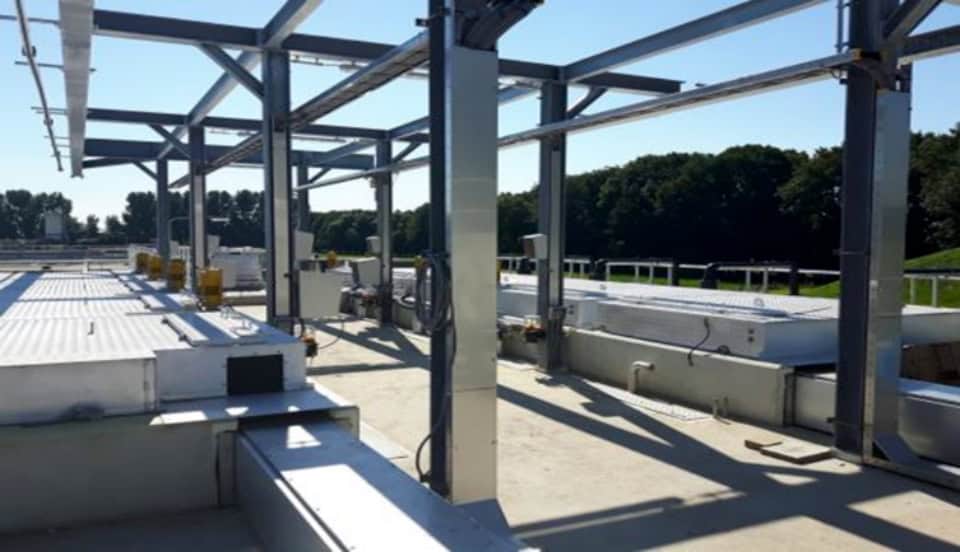
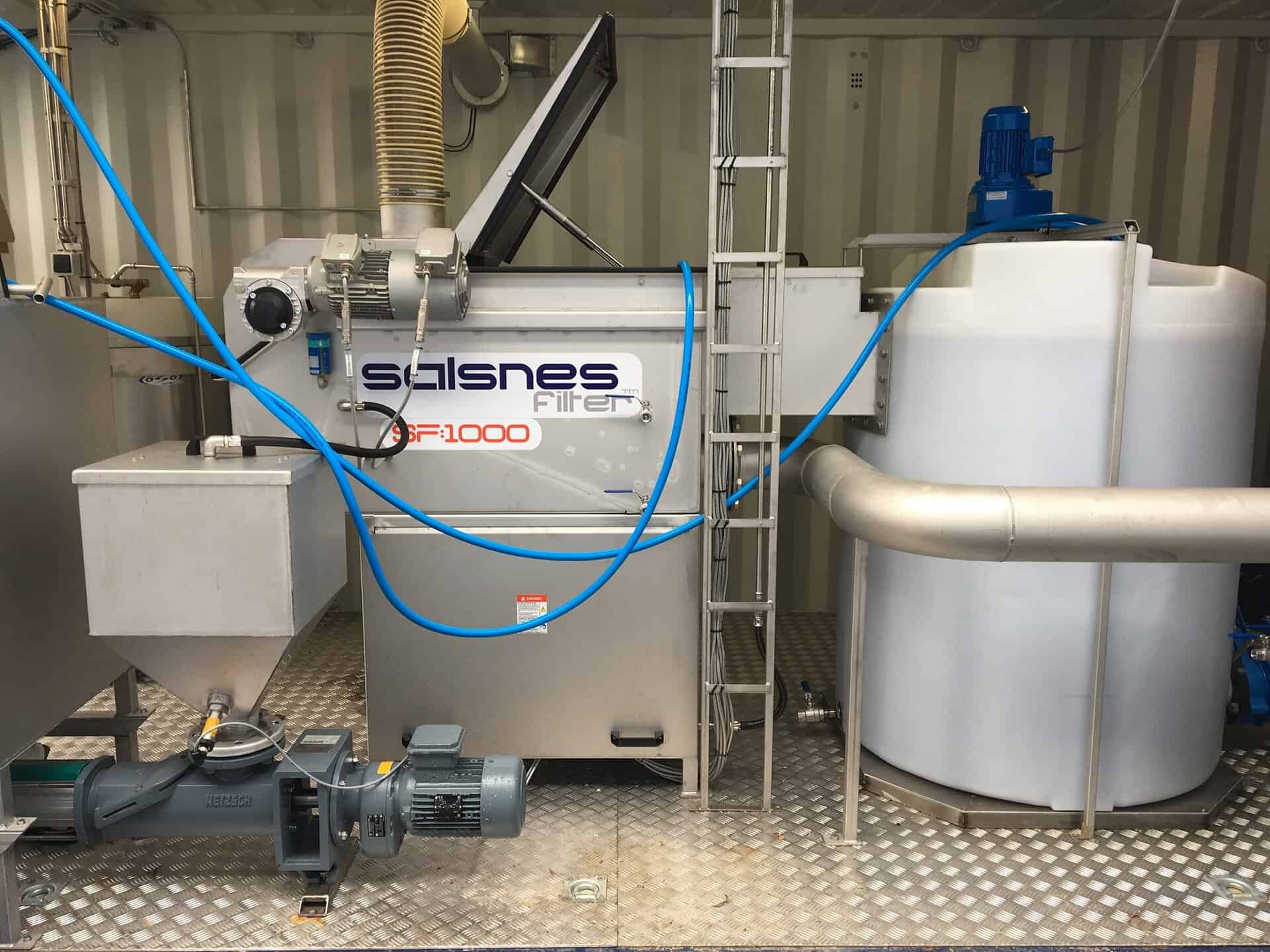
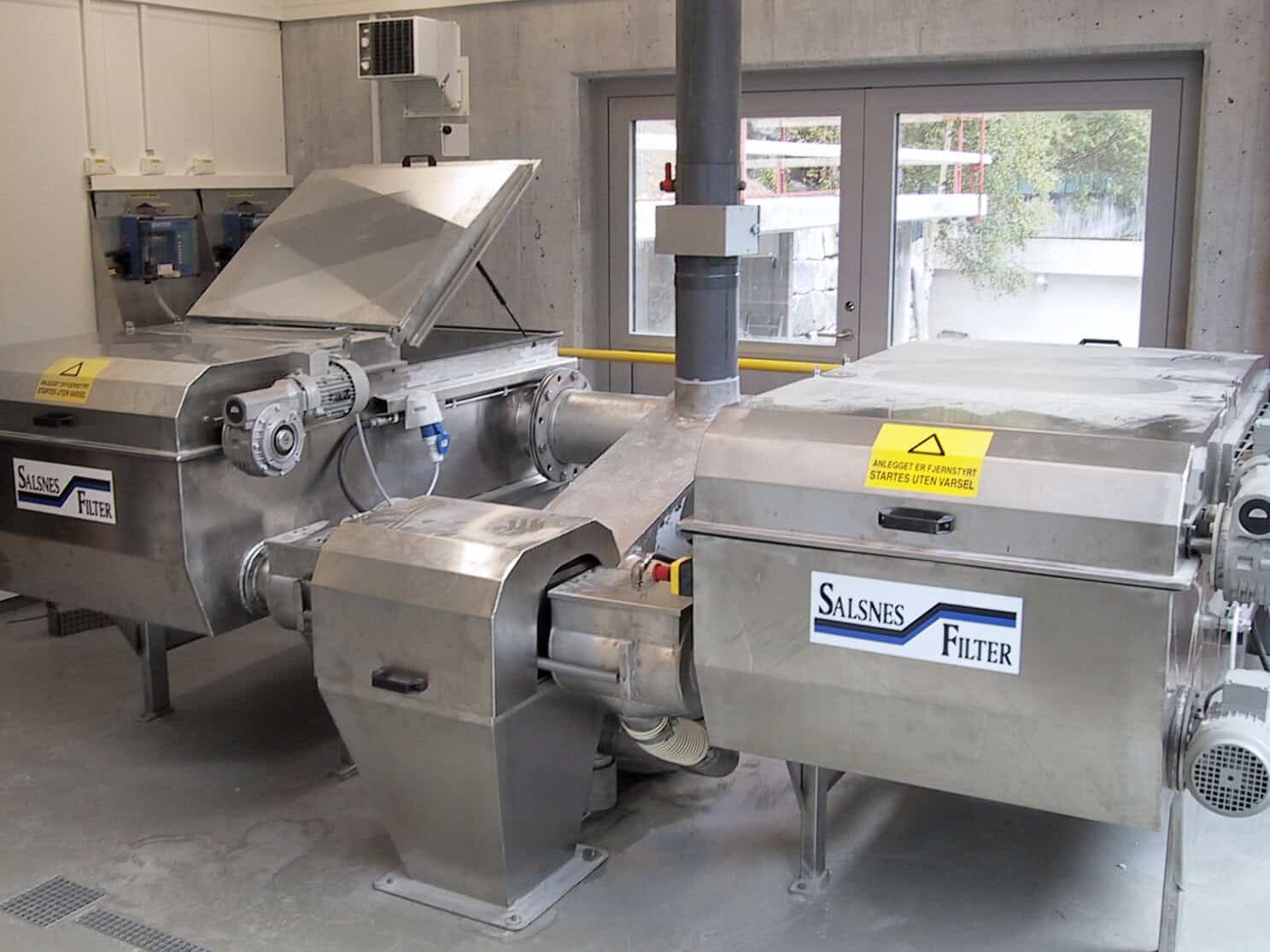
Eight SFK600 Salsnes Filters were installed – with 350 micron filter mesh and integrated sludge dewatering – to separate fine cellulose fibers from toilet paper in the wastewater. Fibers are collected and further processed into sugar and in a next stage to lactic acid as a base material for bioplastic.
The WWTP also discovered an added benefit of removing cellulose from the wastewater. The organic loading on their downstream biological process has been reduced, which has lowered the Plant’s aeration requirements and energy consumption.
Quick Facts
Location
Middenbeemster, Netherlands
Application
Primary Treatment & Cellulose Recovery
P.E.
170,000
Filter Model
Salsnes Filter SFK600
Quantity
8 units
Dry Weather Flow
1200 m³/h (7.6 MGD)
Max Flow Rate
3600 m³/h (22.8 MGD)
TSS Removal
50%
COD Removal
30%
Dewatered Sludge
40% Total Solids
Funding
EU Eco-innovation Programme
Do you want to know more? Get in touch!
View other case studies
Recovering Lost Treatment Capacity
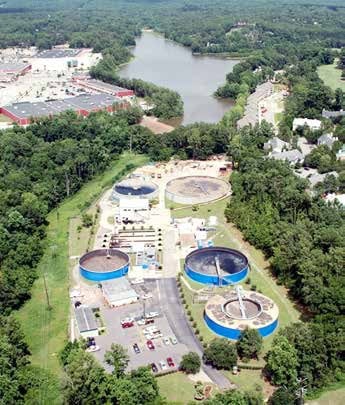
Faced with rising loads, aging infrastructure and limited space, Daphne Utilities rethought primary treatment to boost capacity, stabilize downstream processes and reduce operational strain—all within...
Optimizing Biogas Production with Primary Sludge
To expand capacity and boost renewable energy output, the Saulekilen WWTP reimagined primary treatment, using advanced solids separation to increase biogas production while staying within...
Recovering Resources from Wastewater at Italy’s SMART-Plant
At the Carbonera Water Resource Recovery Facility, advanced primary treatment increased solids capture, improved downstream efficiency and opened new opportunities for energy and nutrient recovery.
Handling Variations in Incoming Flow
In the heart of a UNESCO World Heritage fjord, the Geiranger WWTP upgraded primary treatment to handle extreme seasonal loads and protect one of Norway’s...
Primary Treatment & Cellulose Recovery
By integrating advanced primary treatment, the Carbonera WRRF increased solids capture and recovered high‑value cellulose, improving plant performance while supporting a circular, resource‑driven approach to...